Philips 1st Android TV OS
Contribution
Industry
Consumer Electronics
The Philips Smart TV for 2014 is the first Europe's TV powered by Android, providing access to services and features including Google Chrome, YouTube, and Google Play Store. I was involved in the preparation of the 2014 and 2015 versions of the Android OS user experience architecture.
My role as Information Architect was to create Information Architecture documentation and User Interface Specifications to aid in the process of developing a new OS.
Details
Role: Product and CX Lead
Team: Development, Designers
Timeframe: 9 months
PROBLEM
- Legacy TV UX had to be reimagined for Android OS.
- Physical remote interactions didn’t translate easily to digital apps.
- Fragmented navigation and unclear user flows across the system.
OUTCOMES
- Translated physical controls into intuitive app-based flows.
- Delivered scalable IA and UX specs for development.
- Improved feature discoverability and cross-team alignment.
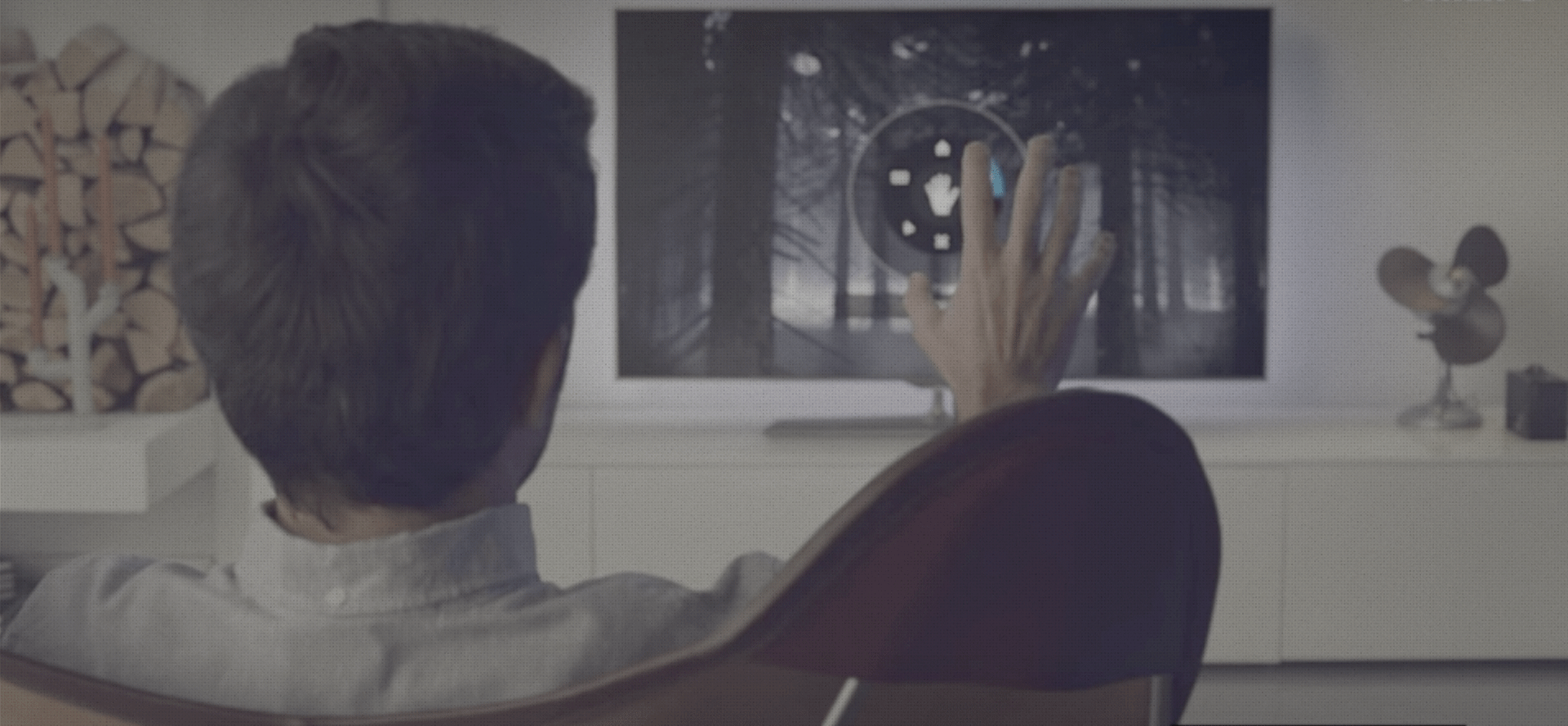
A library and a IA system of specifically created to grasp the interaction patterns for TV operative system.
Philips needed to bring their legacy TV interface into a fully digital Android OS for the first time. Existing features were deeply rooted in physical remote interactions, which created friction when translating into app-based navigation. The user experience was fragmented, with unclear flows and inconsistent logic between hardware and software.
I restructured these experiences into a scalable digital framework—translating physical functionalities into intuitive, app-native flows. By delivering clear information architecture and UX specs, I enabled smoother development, improved feature discoverability, and supported the successful launch of Europe’s first Android-powered TV.
In order to facilitate UX decision making, I translated heavy complex technical requirements into screen flows, so that it could be easily read by anyone in the organisation, facilitating cross department communication.
These flows allowed the team to better grasp complex interactions and served as ongoing sketch tool for interaction in a constantly changing environment.
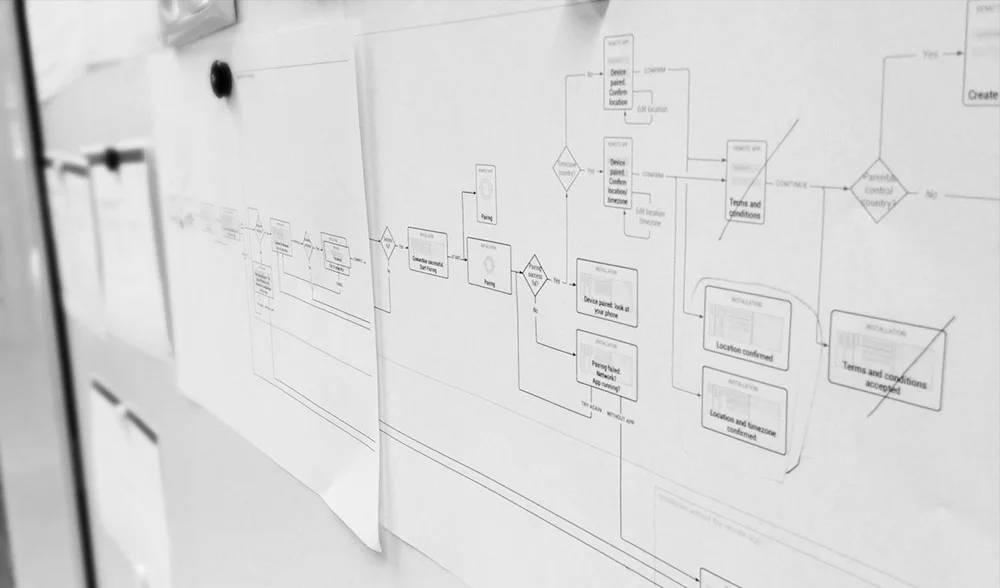
— User flows containing detailed ramifications
® 2025 Sofia Silva. All rights reserved
sofia@sofiasilva.co | +31 618 570 382 | Linkedin →
Philips 1st Android TV OS
Contribution
Industry
Consumer Electronics
The Philips Smart TV for 2014 is the first Europe's TV powered by Android, providing access to services and features including Google Chrome, YouTube, and Google Play Store. I was involved in the preparation of the 2014 and 2015 versions of the Android OS user experience architecture.
My role as Information Architect was to create Information Architecture documentation and User Interface Specifications to aid in the process of developing a new OS.
Details
Role: Product and CX Lead
Team: Development, Designers
Timeframe: 9 months
PROBLEM
- Legacy TV UX had to be reimagined for Android OS.
- Physical remote interactions didn’t translate easily to digital apps.
- Fragmented navigation and unclear user flows across the system.
OUTCOMES
- Translated physical controls into intuitive app-based flows.
- Delivered scalable IA and UX specs for development.
- Improved feature discoverability and cross-team alignment.
A library and a IA system of specifically created to grasp the interaction patterns for TV operative system.
Philips needed to bring their legacy TV interface into a fully digital Android OS for the first time. Existing features were deeply rooted in physical remote interactions, which created friction when translating into app-based navigation. The user experience was fragmented, with unclear flows and inconsistent logic between hardware and software.
I restructured these experiences into a scalable digital framework—translating physical functionalities into intuitive, app-native flows. By delivering clear information architecture and UX specs, I enabled smoother development, improved feature discoverability, and supported the successful launch of Europe’s first Android-powered TV.
In order to facilitate UX decision making, I translated heavy complex technical requirements into screen flows, so that it could be easily read by anyone in the organisation, facilitating cross department communication.
These flows allowed the team to better grasp complex interactions and served as ongoing sketch tool for interaction in a constantly changing environment.
— User flows containing detailed ramifications
® 2025 Sofia Silva. All rights reserved
sofia@sofiasilva.co | +31 618 570 382 | Linkedin →
Philips 1st Android TV OS
Contribution
Industry
Consumer Electronics
The Philips Smart TV for 2014 is the first Europe's TV powered by Android, providing access to services and features including Google Chrome, YouTube, and Google Play Store. I was involved in the preparation of the 2014 and 2015 versions of the Android OS user experience architecture.
My role as Information Architect was to create Information Architecture documentation and User Interface Specifications to aid in the process of developing a new OS.
Details
Role: Product and CX Lead
Team: Development, Designers
Timeframe: 9 months
PROBLEM
- Legacy TV UX had to be reimagined for Android OS.
- Physical remote interactions didn’t translate easily to digital apps.
- Fragmented navigation and unclear user flows across the system.
OUTCOMES
- Translated physical controls into intuitive app-based flows.
- Delivered scalable IA and UX specs for development.
- Improved feature discoverability and cross-team alignment.
A library and a IA system of specifically created to grasp the interaction patterns for TV operative system.
Philips needed to bring their legacy TV interface into a fully digital Android OS for the first time. Existing features were deeply rooted in physical remote interactions, which created friction when translating into app-based navigation. The user experience was fragmented, with unclear flows and inconsistent logic between hardware and software.
I restructured these experiences into a scalable digital framework—translating physical functionalities into intuitive, app-native flows. By delivering clear information architecture and UX specs, I enabled smoother development, improved feature discoverability, and supported the successful launch of Europe’s first Android-powered TV.
In order to facilitate UX decision making, I translated heavy complex technical requirements into screen flows, so that it could be easily read by anyone in the organisation, facilitating cross department communication.
These flows allowed the team to better grasp complex interactions and served as ongoing sketch tool for interaction in a constantly changing environment.
— User flows containing detailed ramifications
® 2025 Sofia Silva. All rights reserved
sofia@sofiasilva.co | +31 618 570 382 | Linkedin →